

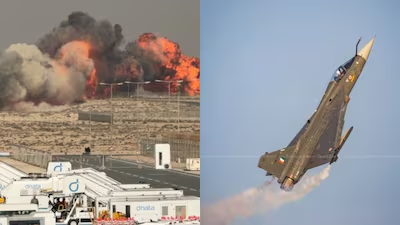
On November 21, 2025, the world of aviation was rocked by the tragic crash of India’s indigenously built Tejas Fighter Jet Crashes during a dynamic aerial demonstration at the Dubai Air Show. The accident, which claimed the life of the pilot, not only cast a pall over the prestigious international event but also prompted immediate global and national reactions, as well as a formal investigation by the Indian Air Force (IAF).
The Tejas Fighter Jet Crashes: Sequence of Events
At around 2:10 PM local time, the HAL-built Tejas Light Combat Aircraft was performing an aerobatic display at the Al Maktoum International Airport, the center stage for the biennial Dubai Air Show. Eyewitnesses reported the aircraft moving at a low altitude when it suddenly lost control and nose-dived, erupting into a fireball as it hit the ground just moments later. Dramatic footage and photos captured plumes of thick black smoke billowing over the airfield, sending shockwaves through the crowd of spectators, which included families and aviation enthusiasts from around the globe.
Immediate panic and confusion gripped the venue as emergency sirens blared and airport authorities scrambled into action. Emergency firefighting and rescue crews responded within minutes, subduing the flames and securing the wreckage site. The swift mobilization of responders ensured that the fire did not spread further or cause collateral damage amid the packed airshow grounds.
Casualties and Official Confirmation
The Indian Air Force soon confirmed the worst: the pilot had died in the crash. Statements released on social media expressed profound regret, “The pilot sustained fatal injuries in the accident. IAF deeply regrets the loss of life and stands firmly with the bereaved family in this time of grief.” The Dubai Media Office called the incident “tragic” and conveyed condolences from regional authorities as well.
As investigations began, it remained unclear whether the pilot had attempted to eject prior to the crash. No other injuries were reported among the spectators or airshow staff, although the emotional impact was palpable throughout the venue.
Probable Cause: Expert Insights
Early expert analyses and visuals of the crash suggested that the Tejas jet was executing a high-risk negative G manoeuvre at the time of the accident. Negative G turns subject an aircraft and pilot to forces that can cause loss of control, and initial reviews propose this scenario might have led to the jet’s sudden drop and inability to recover before impact. However, the IAF stressed that only a formal Court of Inquiry would provide definitive answers about the technical and operational failures that led to this disaster.
Emergency Response and Show Resumption
Authorities praised the rapid response from on-site firefighting and emergency teams, who swiftly controlled the situation and kept the scene secure. Their efforts allowed organizers to resume the airshow less than two hours after the crash, with some events continuing under a somber atmosphere out of respect for the loss.
Background: The Tejas Program and Crash History
The HAL Tejas is India’s flagship indigenous light combat aircraft, designed and built as part of a long-term effort to modernize and retool the Indian Air Force’s predominantly Russian-sourced fleet. Equipped with a General Electric engine and advanced avionics, the Tejas has been hailed for its agility and fly-by-wire system, and it has represented a significant source of national pride, especially on international platforms like the Dubai Air Show.
The 2025 crash marks only the second loss of a Tejas aircraft in over two decades of development and operational service. The first accident occurred during a 2024 training exercise in India. As such, the Tejas had been regarded as having a strong safety record prior to this tragic incident. The crash at Dubai will inevitably bring fresh scrutiny, but officials remain committed to identifying and addressing any shortcomings uncovered in the official inquiry.
International and Regional Reactions
World media and aviation forums responded intensely to the crash, with particular attention given to the rarity of such incidents involving India’s indigenous program. The outpouring of grief and condolences to the family of the deceased pilot reflected both the high personal risks faced by military aviators and the shared shock across the aviation industry. Statements of condolences poured in from Indian political leaders, military officials, and attendees from around the world.
India’s Ministry of Defence and the IAF have reaffirmed their commitment to continue with the Tejas program and their participation in global events, emphasizing that safety and transparency will guide all future decisions.
Impact on the Dubai Air Show
The Dubai Air Show is renowned as the premier aviation exhibition in the Middle East, drawing an audience of over 150,000 and acting as a key stage for major industry announcements and demonstrations. This year, the event had already witnessed a flurry of commercial deals and spectacular aerial stunts. The Tejas crash, however, overshadowed the grand finale and prompted an immediate safety review for all flying displays for the remainder of the event.
Investigative and Safety Measures
The Indian Air Force wasted no time in ordering a Court of Inquiry, a formal process to investigate the cause and full circumstances of the crash. This inquiry will focus on collecting flight data, pilot communications, eyewitness testimonies, and technical analyses, aiming to exhaust every possibility and provide clarity to both the bereaved family and the wider public. Findings from the investigation are expected to inform not just the Tejas program but also future safety protocols for international airshows.