
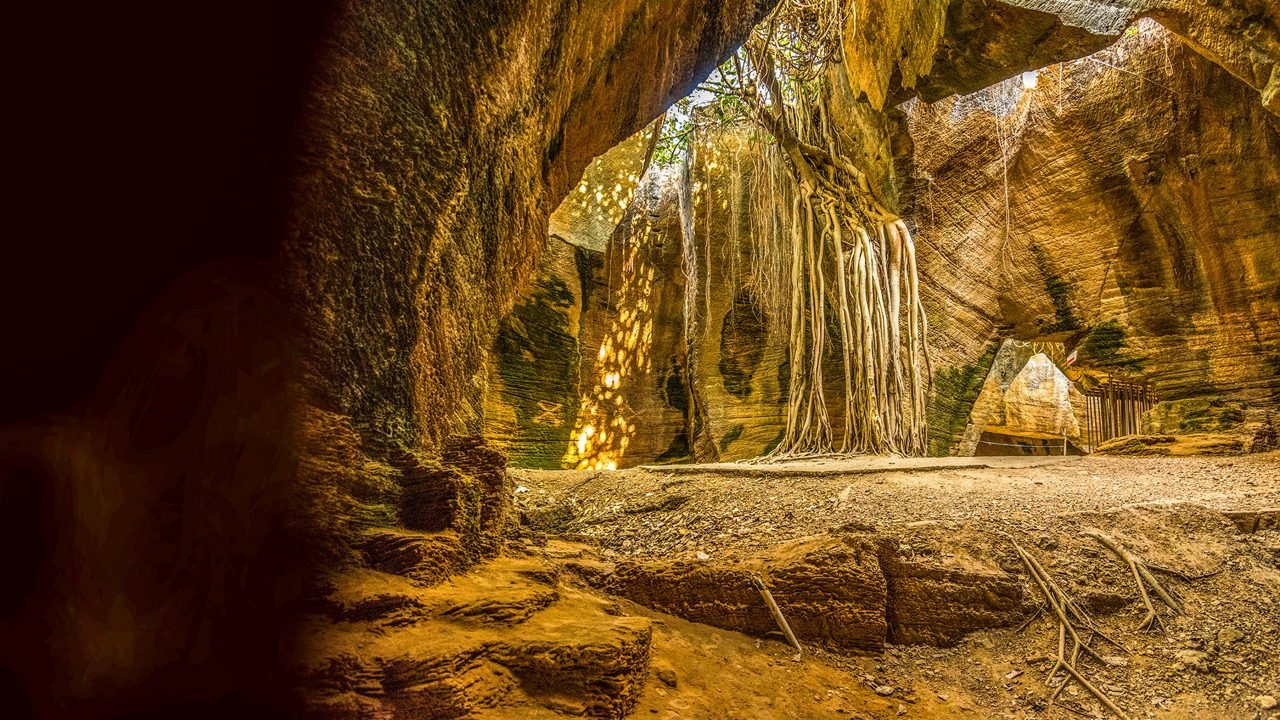
Naida Caves, nestled on the tranquil island of Diu, are a breathtaking blend of natural wonder and historical intrigue, making them one of India’s most underrated yet magnificent attractions. Renowned for their labyrinthine tunnels, striking rock formations, and a history entwined with Portuguese colonial rule, these caves have evolved into a popular tourist destination, drawing explorers, history buffs, and photographers from across the globe.
Location and Accessibility
Naida Caves are located just outside the city wall of the formidable Diu Fort, on the western coast of India in the Union Territory of Dadra and Nagar Haveli and Daman and Diu. The caves are easily accessible from Diu town, only about a kilometer from the main bus stand, making them a convenient stop for visitors exploring the island. The closest railway station is Delwada, and Diu is well-connected by road. The region is also served by Diu Airport, with taxis, scooters, and bicycles readily available for the short ride to the caves.
Key Details:
| Aspect | Details | Estimated Cost (INR) |
|---|---|---|
| Location | Outside city wall of Diu Fort, Diu, UT of Dadra & Nagar Haveli and Daman & Diu | – |
| Accessibility | Short walk/drive from Diu town; nearest railway: Delwada; Diu Airport 10km away | Transport: ₹500–₹1,500 (train), ₹3,000–₹6,000 (flight) |
| Entry Fee | No entry fee | Free |
| Opening Hours | 6 AM – 6 PM | – |
| Typical Visit Duration | 1–2 hours | – |
| Historical Significance | Shaped by Portuguese quarrying for Diu Fort; refuge in Operation Vijay (1961) | – |
| Geological Features | Intricate tunnels, square-hewn steps, skylights, limestone formations | – |
| Culture & Folklore | Linked to local stories and colonial history | – |
| Best Time to Visit | October–February (cool, pleasant weather) | – |
| Nearby Attractions | Diu Fort, INS Khukri Memorial, beaches, churches, temples | – |
| Accommodation | Budget hotels: ₹1,000–₹3,000/night; mid-range: ₹3,000–₹6,000/night | ₹1,000–₹6,000/night |
| Food | Local restaurants and street food | ₹500–₹1,000/day |
| Average 3-Day Trip Cost | Includes transport, stay, food | ₹10,000–₹20,000 total |
| Safety | Generally safe; avoid isolated areas at night | – |
Historical Significance
The Naida Caves’ history is twofold: shaped by both nature and human hands. While natural geological processes like erosion, weathering, and tectonic activities created the broad structures, the caves’ current labyrinthine layout was deeply influenced by the Portuguese. Between 1535 and 1961, the Portuguese extracted building materials from the caves to construct the massive Diu Fort. This quarrying left unique troughs, crests, and square-cut passages, giving the caves their iconic contours.
The caves also have a more recent history: during Operation Vijay in 1961, when the Indian Army reclaimed Diu from Portuguese rule, some Portuguese soldiers are said to have used the caves as a hiding spot. There are even legends of pirates seeking refuge within their cool confines, adding an air of adventure and mystery.
Geological Features and Structure
Naida Caves are remarkable for an intricate, maze-like network of tunnels interspersed with square-hewn steps and multipurpose chambers. The cave system boasts natural skylights, offering dramatic plays of sunlight and shadow that dance across ochre and cream limestone walls, providing a visual treat for visitors and photographers. These caves remain partially unexplored, enhancing their allure.
The cool, damp interiors form a striking contrast with Diu’s warm climate, making the caves not only a place of geological curiosity but also a respite from the coastal heat. Inside, visitors encounter winding passageways, hidden grottos, and a multitude of openings at different heights, creating a truly immersive underground adventure.
Cultural Importance
Though primarily celebrated for their unique geology and colonial history, the Naida Caves also form an important element in the cultural tapestry of Diu. The caves serve as a reminder of the region’s multicultural past, blending indigenous, colonial, and maritime influences. Local folklore and tales add further depth and intrigue, recounting stories of secret meetings and escape routes during periods of conflict.
Tourist Attractions and Experiences
Naida Caves are a paradise for explorers and photographers. Key highlights and visitor experiences include:
- Navigating the interconnected maze of tunnels, chambers, and natural skylights.
- Admiring stunning rock formations, stalactites, and sunlight filtering through openings.
- Enjoying panoramic views of the Arabian Sea from cave entrances.
- A cool, tranquil atmosphere ideal for reflection, adventure, or simply escaping the sun.
- Opportunities for dramatic photography thanks to the interplay of natural light and unique cave structures.
- Learning about Diu’s history through local guides or self-study, connecting the caves’ story with the construction of Diu Fort and the region’s colonial past.
How to Reach Naida Caves
- By Air: The closest airport is Diu Airport, with direct flights from major Indian cities.
- By Train: Delwada Railway Station is the nearest railhead, about 8 km from Diu town.
- By Road: Diu is well-linked by road to cities in Gujarat like Veraval, Junagadh, and Ahmedabad. Cabs, rickshaws, and two-wheelers provide easy local transport.
- On Foot: The caves are a short walk or drive from the Diu Fort and main town area.
Entry, Timings, and Facilities
- Entry Fee: As of the latest updates, there is no entry fee to visit the Naida Caves.
- Timings: The caves are generally accessible from 6 AM to 6 PM, though some sources mention they are open 24 hours, a day visit is recommended for safety and visibility.
- Duration: Exploring the caves thoroughly usually takes 1–2 hours.
Visitors are advised to wear comfortable shoes, carry a flashlight for deeper explorations, and prepare for uneven terrain.
Revenue and Tourism Impact
Though precise figures for Naida Caves alone are not published, Diu’s overall tourism sector has seen steady growth, with projections suggesting hundreds of thousands of annual visitors in recent years. Cave tourism, promoted in tourism development plans, accounts for a significant share of local tourism revenue and employment, including jobs in guiding, transportation, hospitality, and souvenirs. Naida Caves, with their fame growing through word-of-mouth, social media, and film shoots, are increasingly featured in Diu Tourism promotions.
Best Time to Visit
The ideal months for a visit are October through February, when the weather is cool and pleasant. Early morning or late afternoon is considered the best time to experience the magical play of light inside the caves and to avoid the midday heat.
Nearby Attractions
- Diu Fort: An imposing Portuguese fort offering sweeping sea views.
- Gangeshwar Mahadev Temple: Carved rock shivlings on the coast.
- INS Khukri Memorial: Honoring a naval warship lost in the 1971 Indo-Pak War.
- St. Paul’s Church: A beautiful baroque-style structure.
- Diu Beaches: Nagoa Beach, Ghoghla Beach, and others for sun, sand, and surf.
Tips for Visiting
- Wear sturdy shoes and light, breathable clothing.
- Carry water, sunscreen, and a hat.
- Bring a camera for unique photo opportunities.
- Avoid exploring deeper tunnels solo or during monsoon season.
- Check (ahead of time) for opening status, since renovations or safety checks may periodically close the caves.
FAQs About Naida Caves
What are Naida Caves and how were they formed?
Naida Caves are a network of interlinked natural and partly man-made caves in Diu. Their unique structure is a result of both geological processes over centuries and quarrying by the Portuguese during their rule, who extracted building materials for Diu Fort.
Where are Naida Caves located?
They are situated just outside the city wall of Diu Fort, about 1 km from Diu town’s main bus stand, in the Union Territory of Dadra and Nagar Haveli and Daman and Diu.
Is there an entry fee to visit Naida Caves?
There is currently no entry fee; visiting the caves is free for everyone.
What is the best time to visit Naida Caves?
The most comfortable and scenic times are between October and February when Diu enjoys cool, pleasant weather. Early mornings or late afternoons provide the best lighting and comfort.
How can one reach Naida Caves?
Diu is accessible by air, rail, and road. From the town center or Diu Fort, Naida Caves are a short drive, walk, or bike ride away.
How long does it take to explore the caves?
It generally takes 1–2 hours to thoroughly explore the tunnels, chambers, and photographic vistas within the caves.
What should visitors bring?
Comfortable walking shoes, water, a hat, and a flashlight are advisable. Cameras are highly recommended for the stunning interplay of light and shadow.
Are guided tours available at Naida Caves?
There are typically no official guided tours, but local guides may offer assistance on-site, and visitors often self-explore.
What else can tourists see near Naida Caves?
Aside from Naida Caves, tourists should explore Diu Fort, visit historic churches, walk the beaches, and see the Gangeshwar Temple and INS Khukri Memorial.
Conclusion
With their blend of natural artistry and historical echoes, Naida Caves offer visitors a unique opportunity to journey through Diu’s fascinating past, one carved in stone and shaped by time. For adventure seekers, history lovers, and families alike, Naida Caves are a must-visit destination, seamlessly combining local culture, geological spectacle, and photogenic beauty in one remarkable experience.