
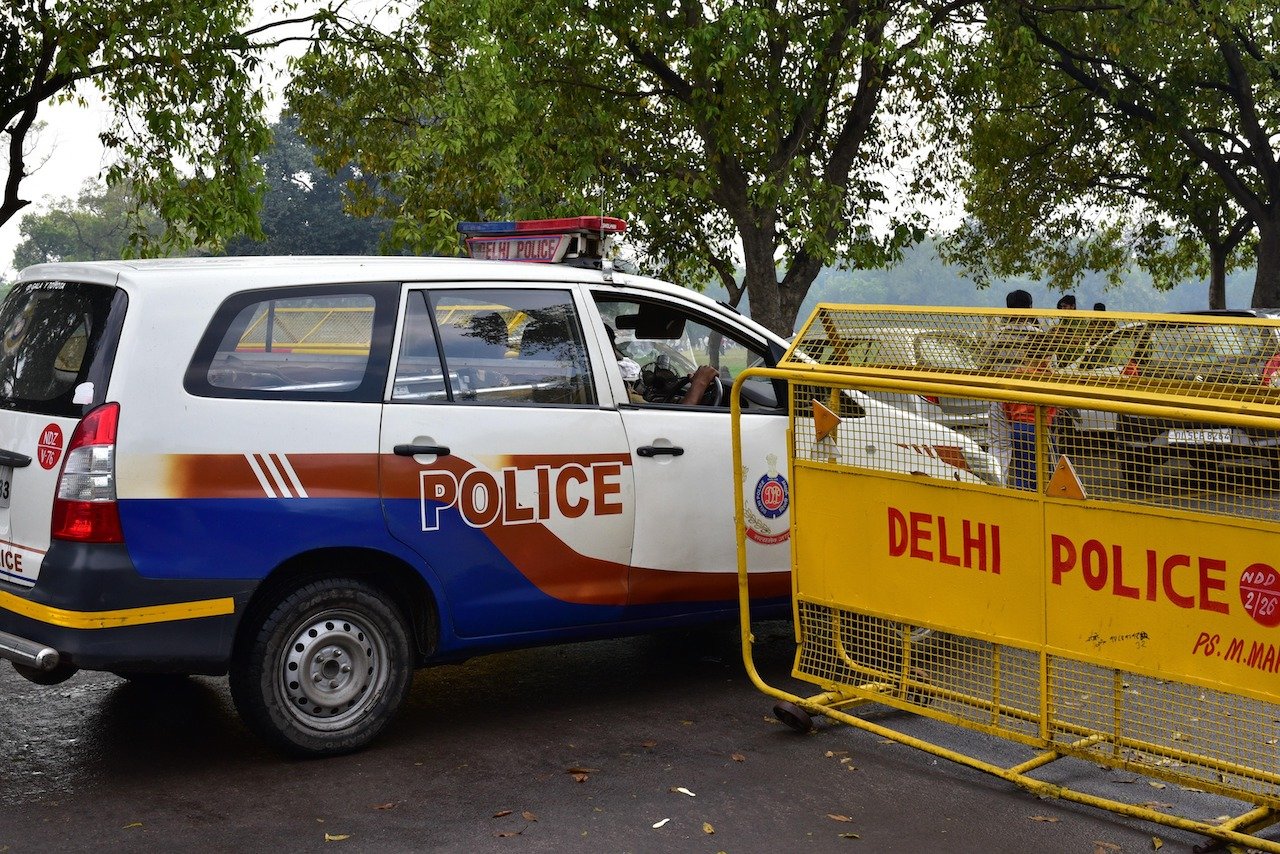
On the morning of November 12, 2025, chaos erupted in southwest Delhi’s Mahipalpur area when a deafening blast-like sound near the prominent Radisson Hotel sparked fears of a major explosion. The incident came just days after the tragic Red Fort car blast, leaving Delhi residents on edge and heightening anxiety across the city. Swiftly, emergency response units and police rushed to the scene, only to discover that the alarming sound was not from an explosive device, but rather the bursting of a DTC bus tyre on its way towards Dhaula Kuan. This article thoroughly examines every detail of the Mahipalpur blast scare, drawing on eyewitness accounts, official statements, and the latest updates provided by authorities and news outlets.
Timeline of the Incident
At approximately 9:18 am, the Delhi Fire Department received a distress call reporting a possible blast near the Radisson Hotel in Mahipalpur. Three fire tenders were immediately dispatched, joined by multiple police investigation teams as the city responded under heightened security given recent events.
Locals described hearing a “blast-like sound” that rippled through the area, causing panic among residents, commuters, and those at nearby establishments. The proximity to Delhi’s IGI Airport and a renowned luxury hotel intensified the sense of emergency, with social media and news channels quickly amplifying fears of another attack.
Initial Response and Investigation
The Delhi Fire Services and police launched a comprehensive sweep of the site, searching for possible explosives, hazardous materials, or any signs of foul play. Teams questioned witnesses and reviewed CCTV footage. The Deputy Commissioner of Police (Southwest), Amit Goel, later confirmed that, after speaking with the initial caller and conducting extensive checks, no suspicious items were found at the scene.
The source of the loud noise was traced to a DTC public transport bus headed towards Dhaula Kuan. A local security guard and multiple eyewitnesses verified that its rear tyre had suddenly burst, producing an explosion-like sound comparable to what one might expect from actual detonations. The police declared the situation “normal”, urging calm and confirming there was no real security threat.
Public Reaction: Panic and Misinformation
The blast-like sound sparked instant panic, with people fleeing outdoors, businesses temporarily closing, and a flurry of calls to emergency services. This reaction was compounded by the city’s recent trauma following the Red Fort car blast, which had tragically killed over a dozen and left many more injured just two days earlier.
Social media played a significant role in escalating initial fears. Multiple platforms reported unverified accounts of a bomb explosion, drawing attention from national media. Some channels went live with breaking coverage before the police issued clarifications.
Authorities acted quickly to dispel rumours and misinformation, emphasising the importance of verified news and official statements over speculation. Delhi Police and Fire Services both highlighted that the community’s prompt reporting helped ensure a rapid response, even as the incident proved to be a false alarm.
Official Statements
The Delhi Police officially debunked any blast or terrorist threat:
- “After local enquiry, a guard informed us that the rear tyre of a DTC bus going towards Dhaula Kuan had burst, and the sound came from that. The situation is normal and there is nothing to worry about,” said Deputy Commissioner Amit Goel.
- The fire brigade’s readiness and quick mobilisation reassured locals about the city’s resilience and preparedness in crisis situations, especially in a moment of heightened security.
Reports from local news outlets and social media pages praised the coordinated response of the district’s police force, fire services, and investigation teams, who arrived within minutes and handled public queries with transparent communication.
Context: Why the Panic?
The Mahipalpur tyre burst incident cannot be separated from the tense atmosphere prevailing in Delhi after November 10, when an actual bomb blast near the historic Red Fort led to multiple casualties. As a result, nerves were frayed, and the threshold for alarm was low.
Security agencies across Delhi had already increased surveillance, imposed temporary closures on sensitive sites such as railway and metro stations, and warned citizens to remain vigilant. In this climate, even benign accidents could trigger widespread fear and confusion.
Aftermath and Lessons Learned
While the Mahipalpur blast scare was ultimately a false alarm, it underlined important lessons for city management:
- Quick Response: The speed at which fire and police authorities arrived and conducted their investigation helped calm fears and restore order.
- Communication: Efficient information dissemination by officials ensured that once facts were confirmed, the public could be reassured quickly and rumours put to rest.
- Vigilance: Residents were commended for reporting suspicious sounds and not dismissing potential threats, underscoring the importance of community cooperation in urban safety.
The city’s experience highlights the importance of remaining calm during emergencies, verifying news before sharing, and relying on official channels for updates.