

The 2025 edition of the Hong Kong Sixes delivered instant drama, as cricket’s fiercest rivals, India and Pakistan, went head-to-head in a pulsating Pool C clash at the iconic Tin Kwong Road Recreation Ground in Mong Kok, Hong Kong. With rain lurking and the Duckworth-Lewis-Stern (DLS) method ultimately deciding the outcome, spectators were treated to a nail-biting contest where India emerged victorious by just 2 runs in a rain-curtailed thriller.
Overview: Hong Kong Sixes Format and Stakes
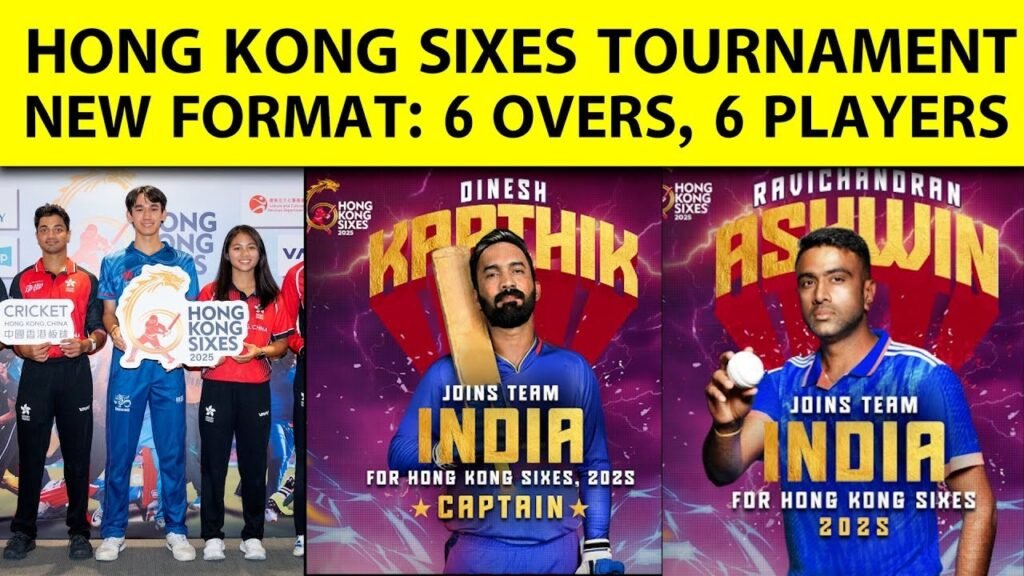
The Hong Kong Sixes is renowned for its breakneck pace and unique dynamics. Each side fields six players, and matches span just six overs per innings, encouraging aggressive batting and innovative tactics. In 2025, the competition returned with 12 teams grouped into four pools, each vying for a place in the knockouts. India, Pakistan, and Kuwait made up Pool C, setting the stage for a fiery subcontinent showdown right from the opening whistle.
India’s Innings: Blitz and Backbone
Winning the toss, Pakistan chose to bowl on a damp wicket while the Indian side, under veteran captain Dinesh Karthik, faced the challenge head-on.
- Robin Uthappa opened with a blistering 28 runs off just 11 deliveries, finding the boundary with three sixes and two fours.
- Bharat Chipli lent stability to the innings, contributing 24 from 13 balls in challenging conditions.
- Karthik himself came in at the death to power 17 runs off 6 balls, adding crucial runs to the tally.
- India finished at 86/4 from their six allotted overs, setting a competitive target on a slow, rain-exposed outfield.
Pakistan’s bowlers managed to rein in the scoring rate towards the end of the innings, but Uthappa and Chipli’s fireworks ensured India had runs on the board to defend.
Pakistan’s Chase: Aggression and Agony
Pakistan approached their chase with characteristic aggression:
- Khawaja Nafay opened, hammering 18 runs off the first over, putting the Indian bowlers on notice.
- Maaz Sadaqat was dismissed for seven by Stuart Binny, whose tight second over went for only seven runs and arrested Pakistan’s momentum.
- Abdul Samad kept Pakistan on track, hitting 16 off 6 balls as they moved to 41/1 after three overs, very much in contention before the rain arrived.
Rain then forced play to a halt, and as groundstaff and umpires conducted multiple inspections, hopes for a restart faded.
When Weather Decides: DLS Intricacies
With no further play possible, the outcome hinged on the DLS method, which calculates score equivalency based on overs bowled and wickets lost:
- At the break, Pakistan stood at 41 for 1 after three overs, just shy of the DLS par score of 44.
- Missing the target by two runs, Pakistan were handed a gut-wrenching defeat as India celebrated a remarkable win.
Stuart Binny’s spell of 1/7 emerged as decisive, keeping the chase in check at a critical stage. Robin Uthappa’s explosive cameo earned him Player of the Match honours, sealing a valuable win for his side.
Impact on Pool Standings
This result vaulted India to the top of Pool C with two points, while Pakistan slipped to second with one win and one loss from two games. Kuwait lagged at the bottom of the table, yet to register a win.
The format of the Hong Kong Sixes ensures that each team plays a single round-robin within its group, with the top two sides advancing to the quarterfinals. Every match carries knockout-like intensity, giving little room for error.
The Hong Kong Sixes Legacy
The Hong Kong Sixes boasts a storied legacy dating back to its inauguration in the 1990s. After several years of intermittent editions, the tournament was relaunched in 2024 and quickly regained its reputation for delivering high-quality, action-packed cricket. Its format fuses the spectacle of T20 with innovative six-player squads, amplifying excitement, unpredictability, and moments of individual brilliance.
Over the years, legends and newcomers alike have graced its turf, making it a breeding ground for thrilling cricket and memorable rivalries.
Key Performances and Tactical Takeaways
- India’s Batting:
- Pakistan’s Response:
- Rain and DLS:
- The DLS method’s intervention added dramatic tension, favouring India by the slimmest of margins for their disciplined effort in the field.
Fan Engagement and Reactions
Social media and cricket forums erupted as rain played spoilsport, with fans debating the fairness of DLS in such fast-paced, high-stakes contests. Many lauded the spectacle, while others called for alternative solutions to ensure full matches in future editions. The rivalry between India and Pakistan, even in shortened formats such as the Sixes, continues to stir global interest and passion.
What’s Next?
With momentum secured, India looks ahead to their next pool match against Kuwait, aiming to seal quarterfinal qualification and perhaps a repeat showdown with Pakistan further down the line. The Hong Kong Sixes promises more fireworks as teams adapt their strategies to the unique demands of the format, including pressure, rain, and skill, all combining to create cricketing theatre.