

Chembra Peak, located in the heart of Kerala’s Wayanad district, stands as one of the most breathtakingly beautiful and culturally rich destinations in South India. With its lush green hills, a unique heart-shaped lake, significant tribal heritage, and scenic trekking routes, Chembra Peak attracts adventurers, nature lovers, photographers, and cultural enthusiasts alike.
Chembra Peak is the highest point in Wayanad and one of the tallest in the Western Ghats, with an elevation of 2,100 meters (6,890 feet) above sea level. It is situated near the town of Meppadi and about 8 km south of Kalpetta, making it easily accessible for travelers. The peak is famous for trekking, enchanting panoramic views, and, most notably, Hridaya Saras, a perennial, heart-shaped lake that has become an iconic symbol of the region.
Location and Accessibility
- Coordinates: 11°30′44″N 76°05′22″E
- Nearest Town: Meppadi, Wayanad, Kerala
- Distance from Major Hubs:
- Getting There: Visitors can travel by road to Meppadi, then continue to the Forest Office, which is the typical starting point for the trek. There are well-marked routes for both private vehicles and public transport.
Key Details:
The History of Chembra Peak
Chembra Peak has deep historical roots that intertwine with tribal legends, strategic geography, and stories of resistance. The forests and hills surrounding the peak have long served as home to indigenous tribes such as the Paniyas, Kurichiyas, Adiyas, and Kattunaikkans. These communities have considered the area sacred for centuries and have depended on the forests for sustenance, medicine, and cultural practices.
Historically, the peak’s remote terrain made it a strategic site during conflicts, serving as a guerrilla war terrain for the legendary Pazhassi Raja in the late 18th century against the British. Additionally, local myths suggest the heart-shaped lake (Hridaya Saras) was formed from the tears of lovers or as the meeting place of Lord Shiva and Goddess Parvati, enhancing the peak’s mythological aura.
Cultural Significance
The culture of Chembra Peak is interwoven with the vibrant traditions of Wayanad’s indigenous tribes, who see the mountain and its environs as sacred and spiritually significant. Rituals, legends, and local customs add to the majestic ambiance of the peak. Conservation efforts also draw on local respect for the land, with a strong emphasis on eco-friendliness and sustainable tourism.
Tourist Attractions at Chembra Peak
Chembra Peak’s natural beauty and adventure prospects have earned it a significant spot on Kerala’s travel map. Major attractions include:
- Trekking: The trek is renowned for its beautiful landscapes, challenging yet accessible trails, and diverse flora and fauna.
- Heart-shaped Lake (Hridaya Saras): This picturesque perennial lake never dries up and is a highlight for trekkers and photographers alike, often enveloped in mist and surrounded by wildflowers.
- Panoramic Views: From various points along the route, trekkers can view the valleys of Wayanad, glimpses of the Nilgiri Hills, and, on clear days, even parts of the Kozhikode district.
- Wildlife and Flora: The area boasts tropical rainforests, grasslands, colorful flowers, and frequent sightings of birds, butterflies, and occasionally wild animals.
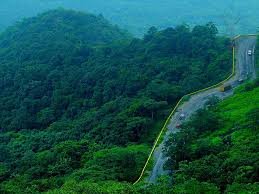
- Tea and Spice Plantations: The approach road is lined with rich, green plantations offering an authentic taste of the region’s agricultural tradition.
Trekking Route Details
The Chembra Peak trek is organized by the District Tourism Promotion Council (DTPC) and the Vanasamrakshana Samithi (VSS), ensuring environmental preservation and visitor safety. Here is a typical trekking itinerary:
- Permission and Guide: Obtain entry permission and a guide from the Forest Office in Meppadi or the Chembra Peak VSS.
- Trek Sections:
- Forest Office to Watchtower: 2.2 km (optional by vehicle; ~40 minutes on foot)
- Watchtower to Heart-shaped Lake: 2 km, ~2 hours of moderately strenuous trekking through meadows and forests
- Lake to Summit: Around 1.5 km, ~1.5 hours; currently, trekking beyond the lake to the summit is often restricted to protect wildlife and habitats.
- Precautions: No overnight camping is allowed due to wildlife concerns. Trekkers are expected to bring adequate water, avoid plastic usage, and help keep the area clean.
Revenue and Tourism Impact
Chembra Peak is a significant contributor to Wayanad’s tourism revenue. The region regularly sees large tourist inflows, especially during peak holiday seasons. During major festivals like Easter and Vishu, tourist centres under the DTPC (including Chembra Peak) collectively earn crores of rupees in a matter of days, with Chembra Peak being among the most popular spots for ticket sales and visitor footfall.
Conservation and Management
Access to Chembra Peak is regulated to balance tourism with environmental protection. The Forest Department strictly monitors the number of trekkers, enforces waste management rules, and restricts trekking during the monsoon or in areas of high wildlife activity to protect the ecosystem.
FAQs about Chembra Peak
Where is Chembra Peak located?
Chembra Peak is in the Wayanad district of Kerala, near the town of Meppadi and about 8 km south of Kalpetta.
How difficult is the Chembra Peak trek?
The trek is considered moderately difficult, suitable for reasonably fit beginners with guidance. The terrain consists of rolling grasslands, forests, and steeper final ascents.
What is the best time to visit Chembra Peak?
The ideal months are September to March, avoiding the monsoons when the trails can become slippery and hazardous.
Is prior permission needed for trekking?
Yes. All trekkers must obtain permission at the Forest Office, pay the entry fee, and hire a guide as per the regulations.
Can visitors camp overnight on the peak?
No. Due to the presence of wildlife and ecological concerns, overnight camping is strictly prohibited.
What are the main attractions near Chembra Peak?
Popular nearby attractions include Banasura Sagar Dam, Lakkidi View Point, tea plantations, and various waterfalls, all showcasing Wayanad’s natural beauty.
Does the heart-shaped lake ever dry up?
No, Hridaya Saras is a perennial lake that retains water throughout the year, adding to its mysterious and romantic allure.
What safety measures should trekkers follow?
Trekkers should carry enough water, wear appropriate shoes, avoid plastic, follow their guide’s instructions, and respect wildlife and local customs.
What is the cultural significance of the peak?
Chembra Peak is revered by indigenous tribes as sacred and is associated with local legends, mythological stories, and rituals. It represents both a physical and spiritual landscape for the communities who have long inhabited its slopes.
How does Chembra Peak contribute to local revenue?
The peak is a major tourism draw, contributing significant revenue through entry tickets, guided treks, and indirect economic activity in the hospitality and handicraft sectors of Wayanad.
Travel Tips for Chembra Peak
- Book trekking slots in advance, especially during peak season, as there are daily restrictions on the number of trekkers to control footfall.
- Arrive early in the morning for the best visibility and weather conditions.
- Always follow eco-friendly practices; avoid littering and harming the flora and fauna.
- Respect local tribal customs if venturing near villages or during community rituals.
- Pack light but do not forget essentials like water, light snacks, sunscreen, and a hat.
Conclusion
Chembra Peak is not just a destination; it’s an experience, where adventure meets serenity, history blends with legend, and every corner of nature tells a story. From its panoramic views to its sacred lake, from its proud tribal heritage to its pivotal role in Wayanad tourism, Chembra Peak stands tall as a jewel of Kerala’s Western Ghats, awaiting every traveler in search of natural beauty, spiritual energy, and cultural depth.